

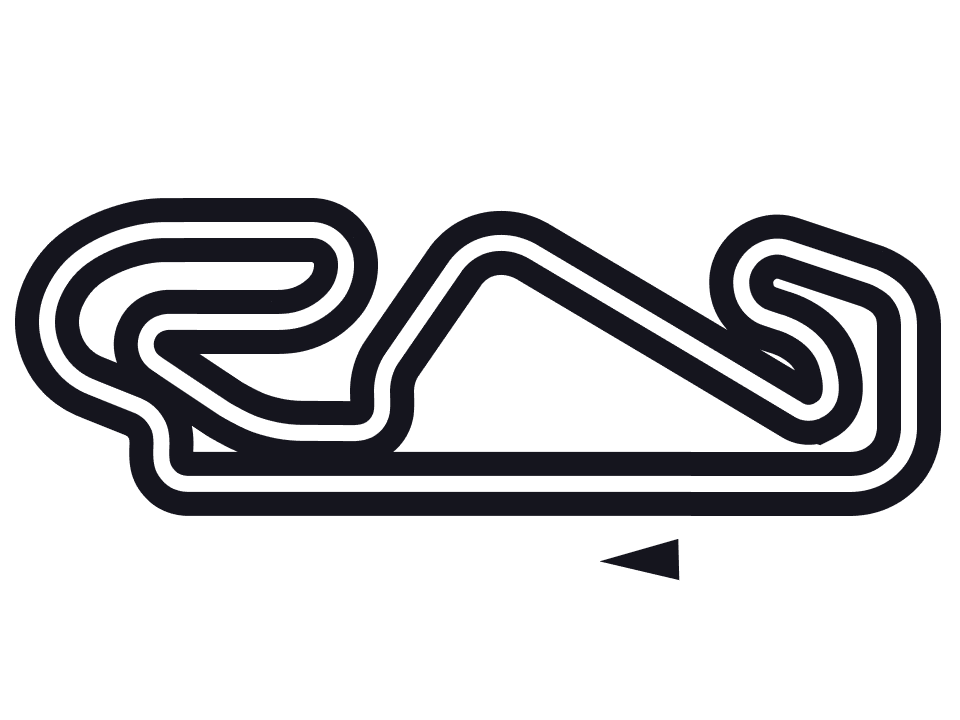
The 2026 Spanish Grand Prix marks a historic shift to a new hybrid street circuit centered around the IFEMA exhibition complex and Valdebebas. This guide provides the concrete logistics for navigating Madrid's inaugural F1 race, from Metro Line 8 secrets to the best districts for avoiding the city's notorious morning traffic.
Timezone
Central European Summer Time (UTC+2)
Currency
Euro (EUR)
Plug Type
Type C & F (230V)
The circuit is located in northeast Madrid, exceptionally close to Adolfo Suárez Madrid-Barajas Airport (MAD), which is only 5–10 minutes away by taxi or two stops on the Metro. If you are arriving from elsewhere in Spain, the Atocha Train Station serves high-speed AVE trains and is roughly 15km from the track, taking 25 minutes by taxi (€25-€35) or 40 minutes via the Cercanías commuter rail.
Public transport is the most efficient way to reach the track. Use Metro Line 8 to the Feria de Madrid station, which drops you at the IFEMA entrance. Alternatively, the Valdebebas Station on the C-1 and C-10 Cercanías lines provides direct access to the northern section of the circuit. Because this is a brand-new venue, expect evolving crowd flows; build at least 60 minutes into your journey even if Google Maps suggests 30. Walking is only viable if you stay in the Barajas or Valdebebas districts.
Secure tickets via the Official F1 Ticket Portal or the local promoter's site, IFEMA Madrid GP. For 2026, three-day General Admission (GA) is expected to start around €175, while premium grandstands will range from €450 to €800. The circuit features a mix of street and permanent sections; look for grandstands near the Valdebebas tunnel or the heavy braking zones at the end of the long straights for maximum overtaking action.
Best-value options for the inaugural year are the 'Silver' tier grandstands, which offer elevated views of the technical IFEMA sections without the 'Gold' price tag. Avoid waiting for late-release tickets; as a debut city race, the 110,000+ capacity is expected to sell out months in advance. Keep an eye on Paddock Club options if you want air-conditioned hospitality, which is a major asset in the Madrid September heat.
To minimize transit, stay in the Barajas District or Valdebebas. Hotels like the Melia Barajas or Novotel Madrid Campo de las Naciones are within walking distance or a 5-minute shuttle ride to the gates. These will sell out first and carry a premium, with rates likely exceeding €400 per night during race weekend.
For a balance of culture and accessibility, choose Salamanca or Chamartín. These central neighborhoods are upscale and sit directly on or near Metro Line 8, allowing you to reach IFEMA in 30–40 minutes. Budget-conscious fans should look at hotels along the Paseo de la Castellana or hostels in the city center, then use the Metro. Camping is not available at this urban circuit, so apartment rentals or hotels are your only practical options.
The Madrid circuit is unique because it utilizes the massive IFEMA exhibition halls for indoor fan zones, providing a rare air-conditioned escape from the sun. The main grandstands along the start-finish straight offer views of the pits, but the grandstands near the 'Valdebebas curve' provide better technical views of the cars navigating the street-style sections. General Admission areas are likely to be tiered, so arrive early on Friday to scout the best sightlines.
Facilities are top-tier due to the existing IFEMA infrastructure. Expect permanent restrooms and a wide variety of food vendors inside the halls. Security is strict; do not bring glass bottles or large professional cameras without a permit. For driver autographs, head to the Fan Zone stage located between Pavilions 12 and 14, where scheduled appearances happen daily. Bring a portable power bank, as the heavy concrete IFEMA buildings can drain your phone battery while searching for a signal in large crowds.
Mid-September in Madrid is typically hot and very dry. During the 2026 race dates, daytime highs will likely hit 31°C (88°F), though the lack of humidity makes it feel slightly more manageable. However, the temperature drops significantly after sunset to around 16°C (61°F). Rain is rare in September, but the occasional late-summer thunderstorm can occur, usually in short, intense bursts.
Pack lightweight, breathable clothing for the afternoon sessions, but bring a light jacket or hoodie for the evenings if you plan to stay for the post-race concerts or head back into the city late. Sun protection is non-negotiable; the Spanish sun is intense and many grandstands are not fully covered. Comfortable walking shoes are essential, as the IFEMA complex is vast and you will easily clock 15,000+ steps per day navigating the pavilions and track bridges.
At a Glance
Temperature
16°–31°C
Rain chance
12%
Humidity
35-45%
Sunrise / Sunset
07:52 / 20:21
Hot, dry, and sunny with clear skies; significant temperature drop after sunset.
Essentials Checklist
Avoid the standard circuit burgers and head to the IFEMA pavilions for higher-quality Spanish catering. In the city, you must try a 'Bocadillo de Calamares' (squid sandwich) at La Campana near Plaza Mayor. For a high-end dinner near the circuit, book a table at La Maquina Moraleja, a favorite for its fresh seafood and grilled meats (€50-€80 per person).
For authentic tapas without the tourist prices, explore the Ponzano Street area in Chamberí. Madrid’s nightlife is legendary; bars stay open until 3:00 AM or later. Try 'Tinto de Verano' (red wine mixed with lemon soda) for a refreshing local alternative to Sangria. Most restaurants don't serve dinner until 8:30 PM or 9:00 PM, so plan your post-track meals accordingly. Vegetarian options are increasingly common in Madrid, but always specify 'sin jamón' (without ham) as it is a staple in many 'vegetable' dishes.
Madrid is a very cash-friendly city, but almost all vendors at the circuit and in shops will prefer contactless card payments (Visa/Mastercard). Tipping is not mandatory but rounding up the bill or leaving 5-10% for exceptional service at a sit-down restaurant is appreciated. Learn a few phrases: 'Hola' (Hello), 'Gracias' (Thank you), and '¿Dónde está el Metro?' (Where is the Metro?).
For data, pick up a local SIM card from Movistar or Orange at the airport for about €20, or use an eSIM like Airalo. The city is generally safe, but be extremely vigilant against pickpockets in the Metro and around the Sol/Plaza Mayor areas. Use the 'Citymapper' app for the most accurate real-time transit data in Madrid, as it handles the Metro and Cercanías schedules better than Google Maps. Remember that Madrid time is late; lunch is at 2:00 PM and the city doesn't truly wake up until 10:00 AM.